
Our Farmers
Our farmers grow their coffees with passion and care. And at Viva, we work directly and intentionally with them.
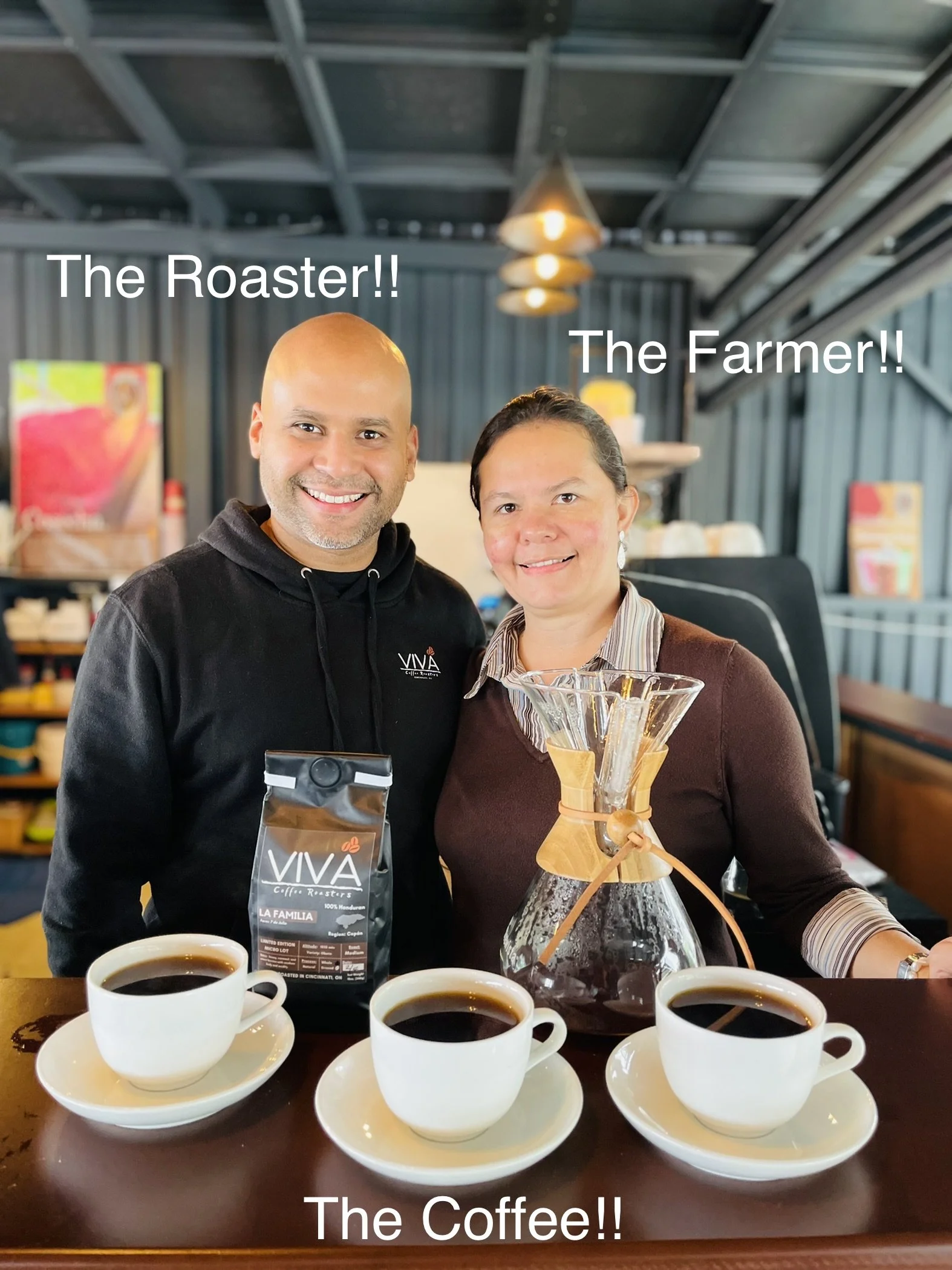
Evelyn Tabora
Gerardo met Evelyn during a 2021 trip through the Western Sierras of Honduras. As third‑generation grower, Evelyn and her husband Hector have transformed their family’s legacy into exceptional specialty coffee by leveraging the region’s rich soil, ideal micro‑climate, and natural shade. Their commitment goes beyond quality: they provide meaningful employment to their community in Aldea El Rodeo and cultivate a future for their family. Today, they’re an essential part of the Viva Coffee Roasters family, producing some of the finest coffees in Honduras
Finca Siete de Julio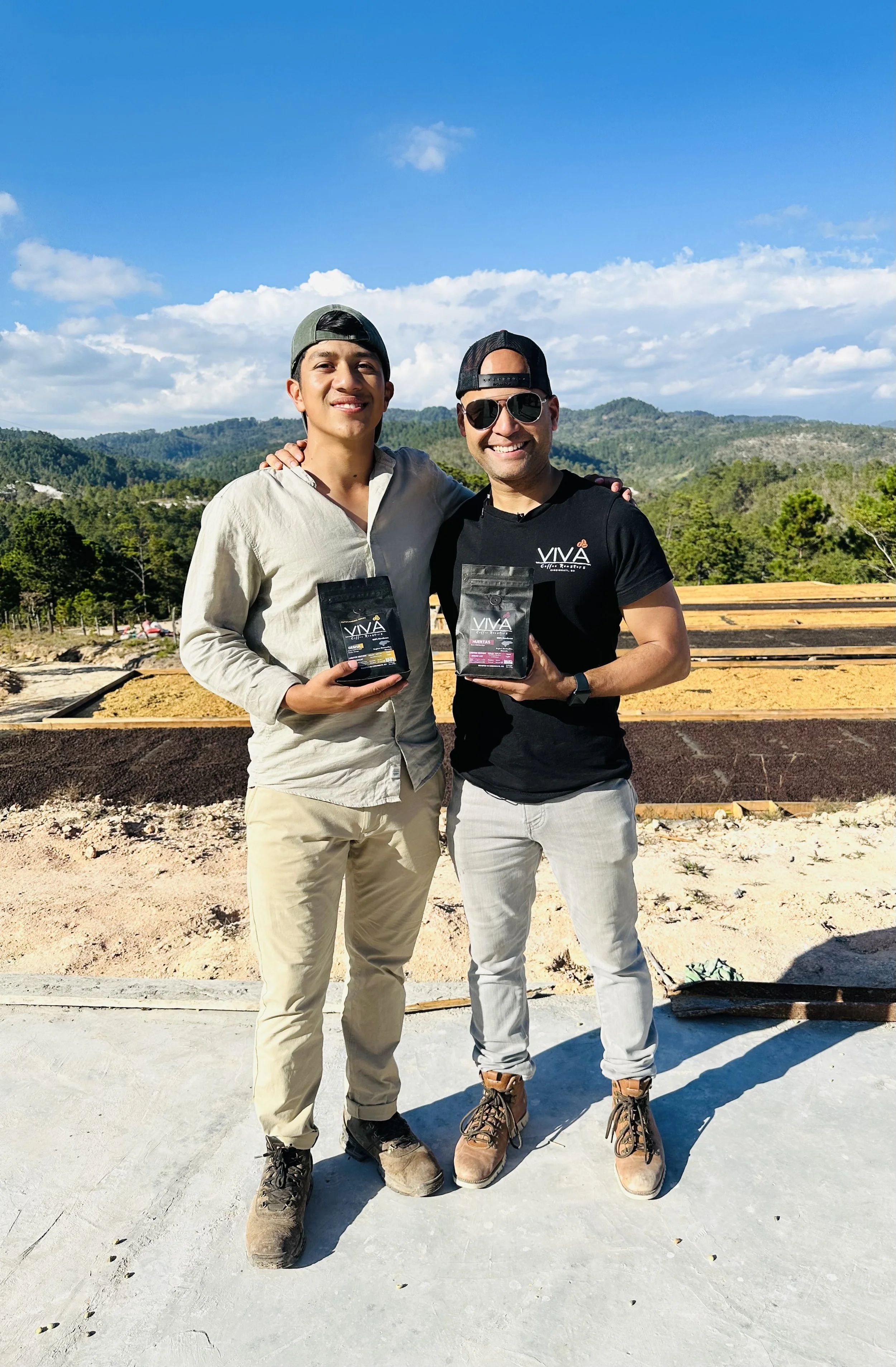
Carlos Amaya
We met Carlos Amaya in 2021 during a virtual coffee forum, where his passion instantly stood out. As the next generation behind his family’s farm in the Montecillos region, Carlos has become the technical mind driving new processes—Washed, Natural, and Honey—that elevate their coffees to exceptional quality. His dedication, curiosity, and drive to continually improve reflect the heart of Viva Coffee Roasters. Carlos doesn’t just grow great coffee—he embodies the spirit of innovation and purpose that we proudly support
Finca La Joya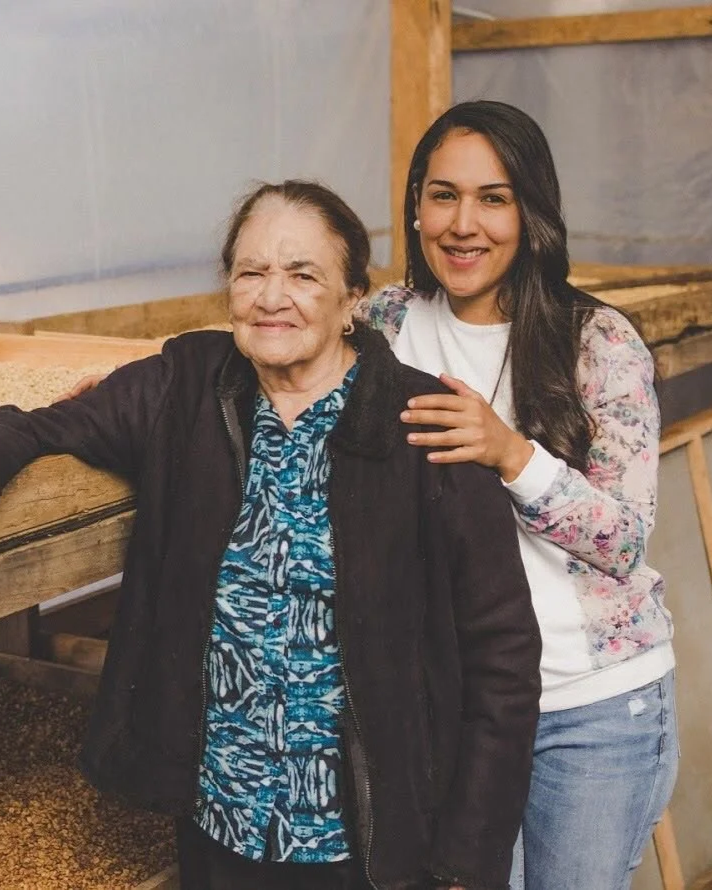
At Finca Deborah in the Montecillos region of Honduras, Cecilia Quan and her 91‑year‑old grandmother, Doña Irma Acosta, carry on a three‑generation farming legacy. With ideal altitude, cool temperatures, and mineral‑rich volcanic soil, they produce high‑quality, shade‑grown coffees while prioritizing harmony with nature. Cecilia and her husband focus on sustainable, eco‑friendly practices that protect the land and its biodiversity. Viva connected with Cecilia through our partners at CIMA Café, and we’re proud to share the work of this family committed to quality, stewardship, and tradition.
Finca DeborahCecilia Quan
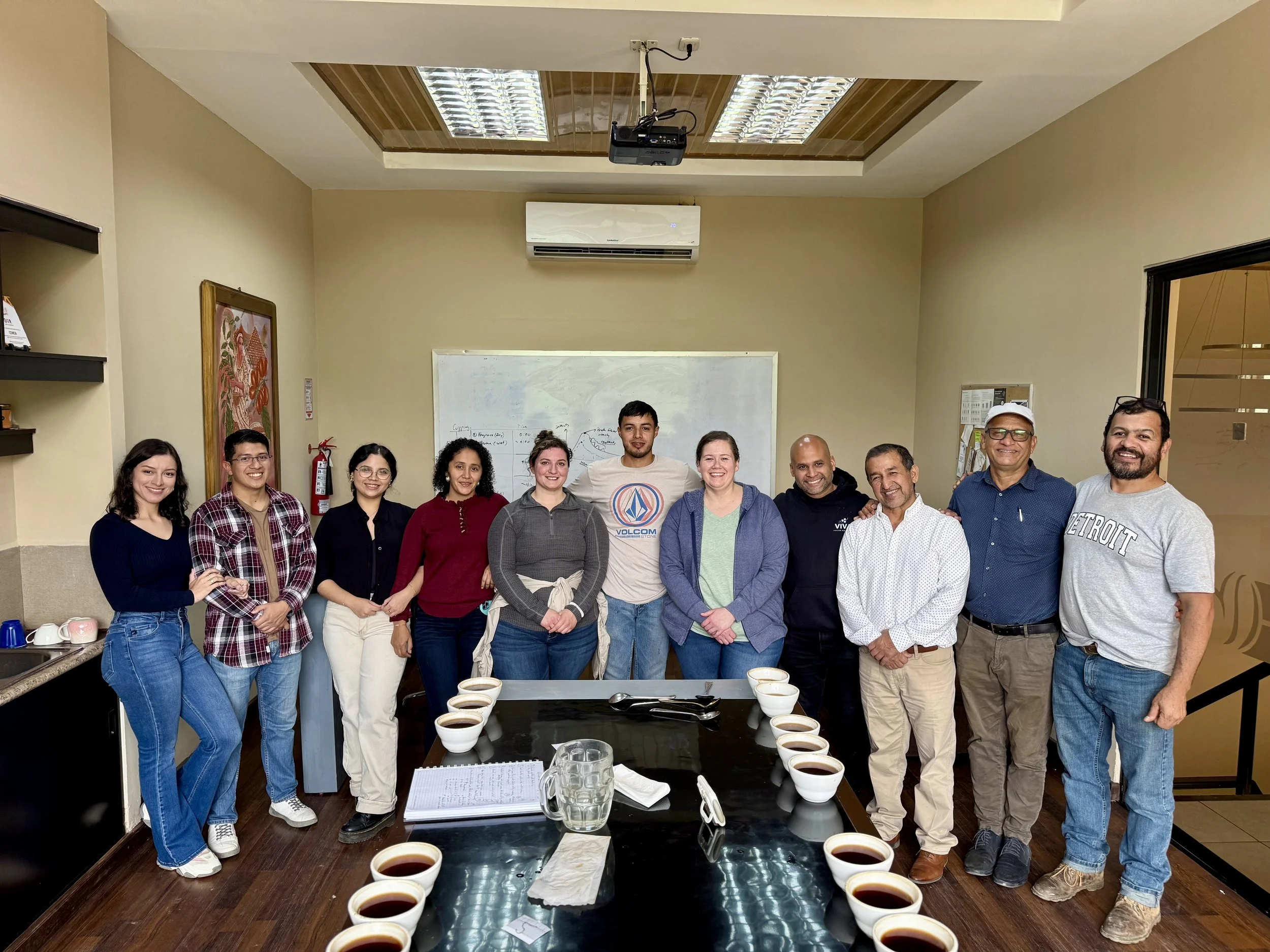
COMSA
Cafe Organico de MarcalaCOMSA (Café Orgánico Marcala) is a farmer‑led cooperative in Marcala, Honduras, dedicated to producing high‑quality organic coffee through environmentally responsible, community‑driven methods. Founded to shift local growers from conventional to organic farming, COMSA is now recognized for its innovative agroforestry systems, regenerative agriculture, and strong focus on soil health and biodiversity. The cooperative also invests deeply in education, offering farmer‑to‑farmer training and programs that teach sustainable practices to both producers and future generations. Their holistic approach makes COMSA a model partner for sourcing coffee that supports ecological balance, long‑term resilience, and community well‑being
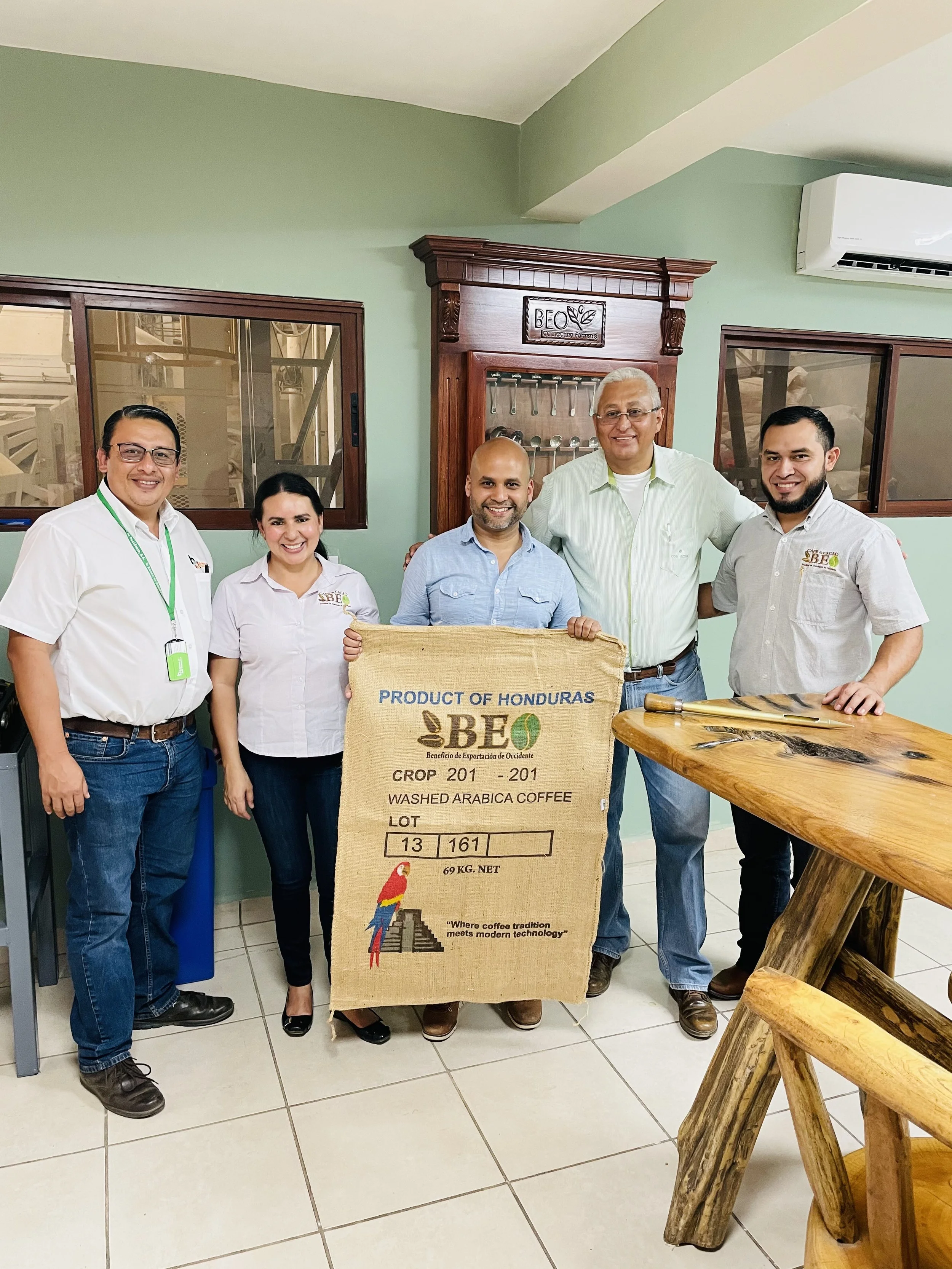
BEO - COAGRICSAL
Beneficio de Exportacion de OccidenteBEO – COAGRICSAL (Cooperativa Agrícola Cafetalera San Antonio Limitada) is a leading Honduran cooperative known for its commitment to exceptional quality, continuous innovation, and robust processing and export capabilities. Founded in 1998, the organization now represents more than 1,500 small producers and is recognized for its certified, high‑quality coffees and advanced infrastructure, including efficient dry‑mill processing and high‑tech grain classification systems that ensure consistency and traceability. Their ecological wet‑processing facilities and modern export operations at the Beneficio de Exportación de Occidente (BEO) enable COAGRICSAL to reliably prepare, refine, and distribute premium coffee to demanding international markets
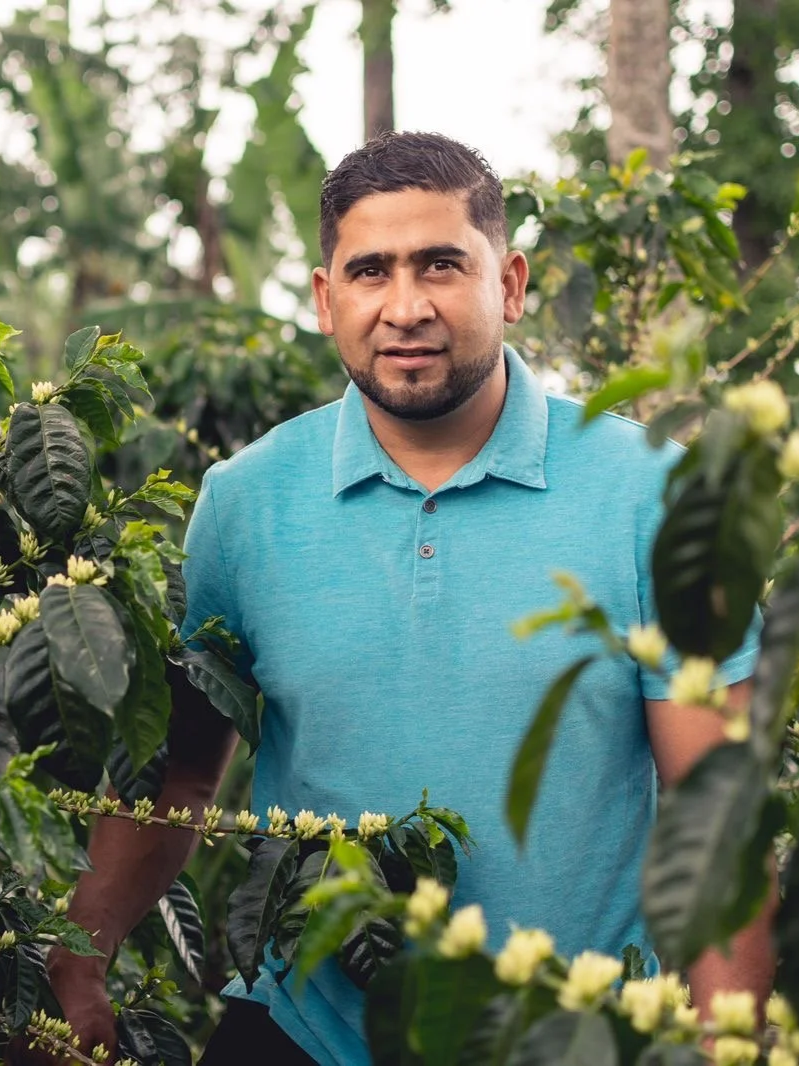
Pedro Turcios
Finca Maria BonitaPedro Turcios is a fourth‑generation coffee farmer at COMSA, the renowned organic cooperative in Marcala, Honduras. After shifting from a career in professional soccer, Pedro embraced coffee with exceptional passion—driven by the values instilled by his mother and the legacy of his family’s farm, Maria Bonita. His creativity, precision, and commitment to quality have made him a key contributor to COMSA’s innovative farming practices. When Gerardo cupped Pedro’s latest coffee, he was struck by its elegance and complexity—clear reflections of Pedro’s meticulous approach and dedication to both his community and the environment.
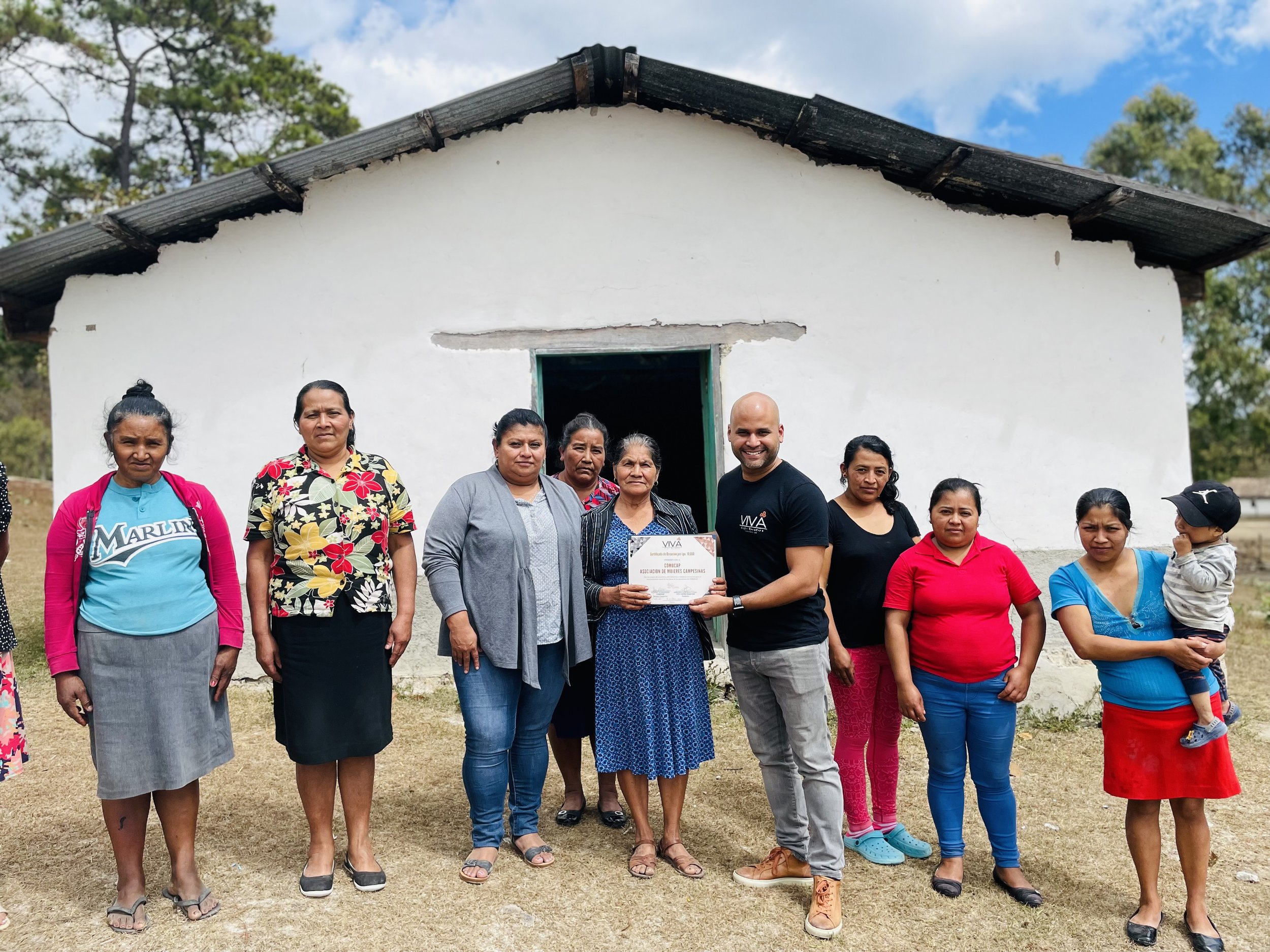
COMUCAP
Coordinadora de Mujeres Campesinas de La PazCOMUCAP is a women‑led cooperative in Marcala, Honduras, empowering rural women through high‑quality, organic coffee production and community‑driven development. Founded to create economic independence and transform traditional gender roles, COMUCAP now manages over 100 hectares of farmland along with its own wet mill, drying patios, and compost facilities—allowing members to produce and export exceptional Fair Trade, organic coffee with full control of quality. Beyond coffee, the cooperative strengthens families through social programs, value‑added products, and sustainable farming initiatives, breaking cycles of inequality while building lasting economic stability for its members